Weight Limits, Clean Loads, and How Contractors Avoid Overages
If you’re pouring, cutting, or tearing out concrete in Boise, Nampa, or Meridian, you already know the biggest mistake crews make with dumpsters: treating heavy material like regular construction debris.
Concrete, asphalt, brick, and dirt hit weight limits fast. The right container — and the right loading plan — keeps your job moving and prevents overweight charges or rejected loads.
This guide breaks down what works on local jobsites when you’re dealing with heavy material.
Standard construction dumpsters are designed for mixed debris: wood, drywall, insulation, cabinets, and general demo. They’re not meant to be filled to the top with concrete or soil.
Concrete weighs roughly 2 tons per cubic yard. Dirt can weigh nearly as much depending on moisture content. A full-size roll-off packed with heavy material can exceed legal hauling limits before it’s even halfway full.
That’s why heavy debris jobs in Boise almost always require:
- Smaller, weight-restricted containers
- Clean-load separation
- Careful placement and loading
Trying to use a large mixed-debris dumpster for concrete is where problems start.
Clean Concrete vs. Mixed Debris
Before ordering a container, determine whether your load will be clean or mixed.
Clean concrete loads include:
- Concrete only
- Asphalt only
- Brick only
- No trash, rebar, or wood
Clean loads are easier to dispose of and often more cost-effective because they can be recycled.
Mixed loads include:
- Concrete with dirt
- Concrete with trash
- Tile and framing mixed together
- Landscaping debris
Mixed heavy loads are harder to process and may require different disposal handling. Separating materials on the front end keeps costs predictable.
The Right Dumpster Size for Heavy Material
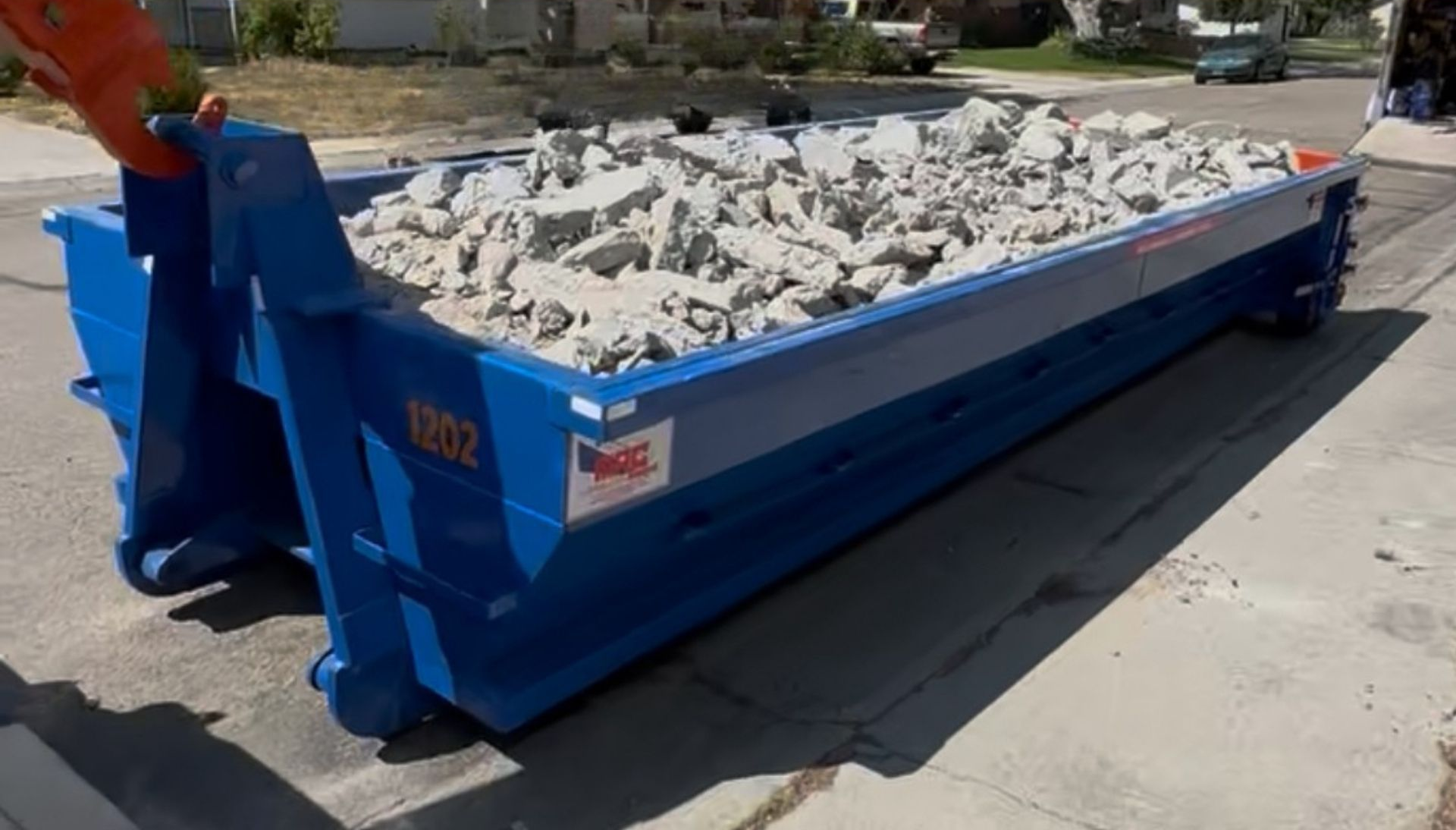
For concrete and dirt jobs in Boise-area
construction, the most practical containers are smaller but built for weight.
This is the standard for:
- Concrete slab removal
- Driveway demo
- Sidewalk removal
- Small foundation tear-outs
- Dirt excavation
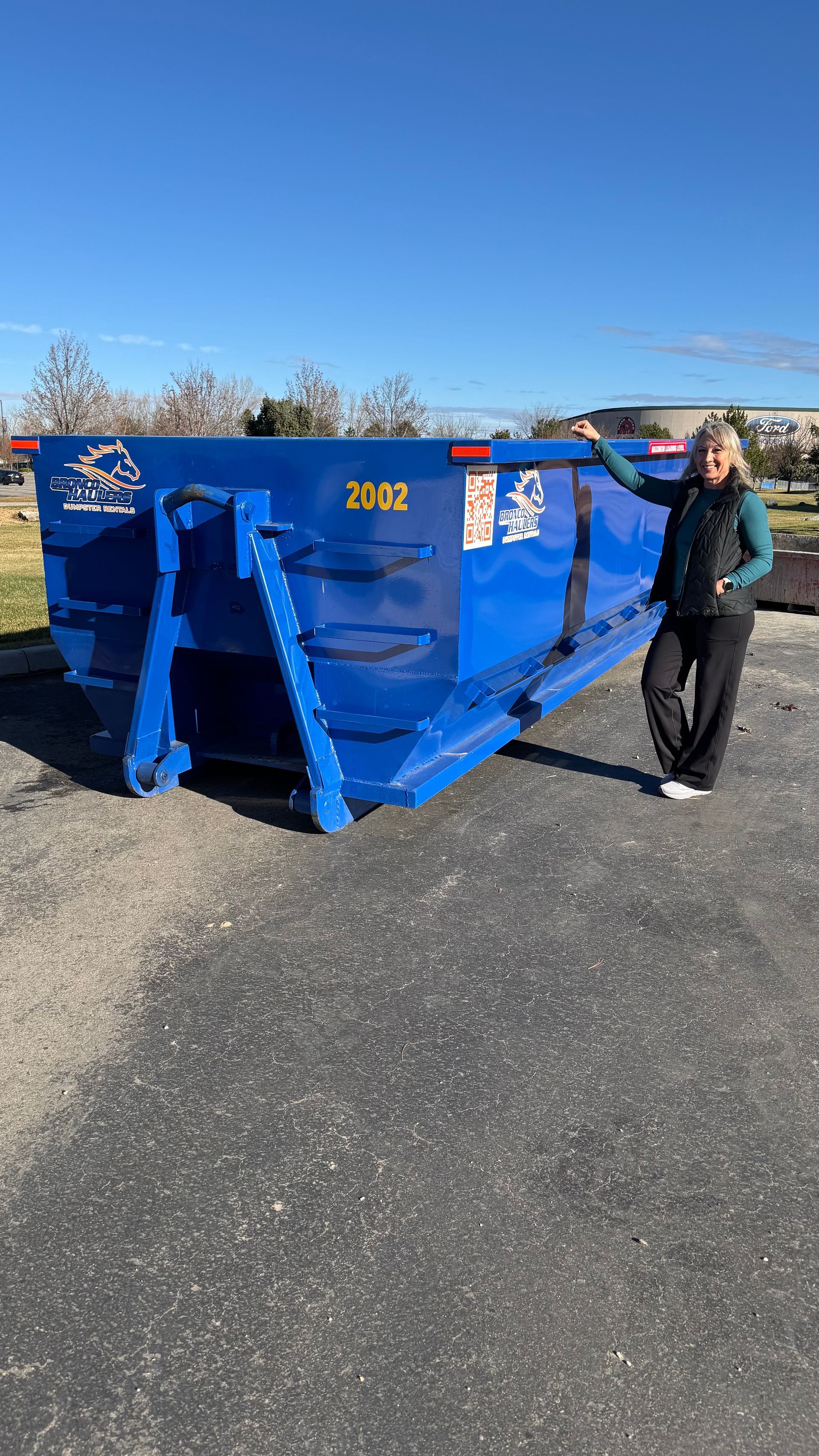
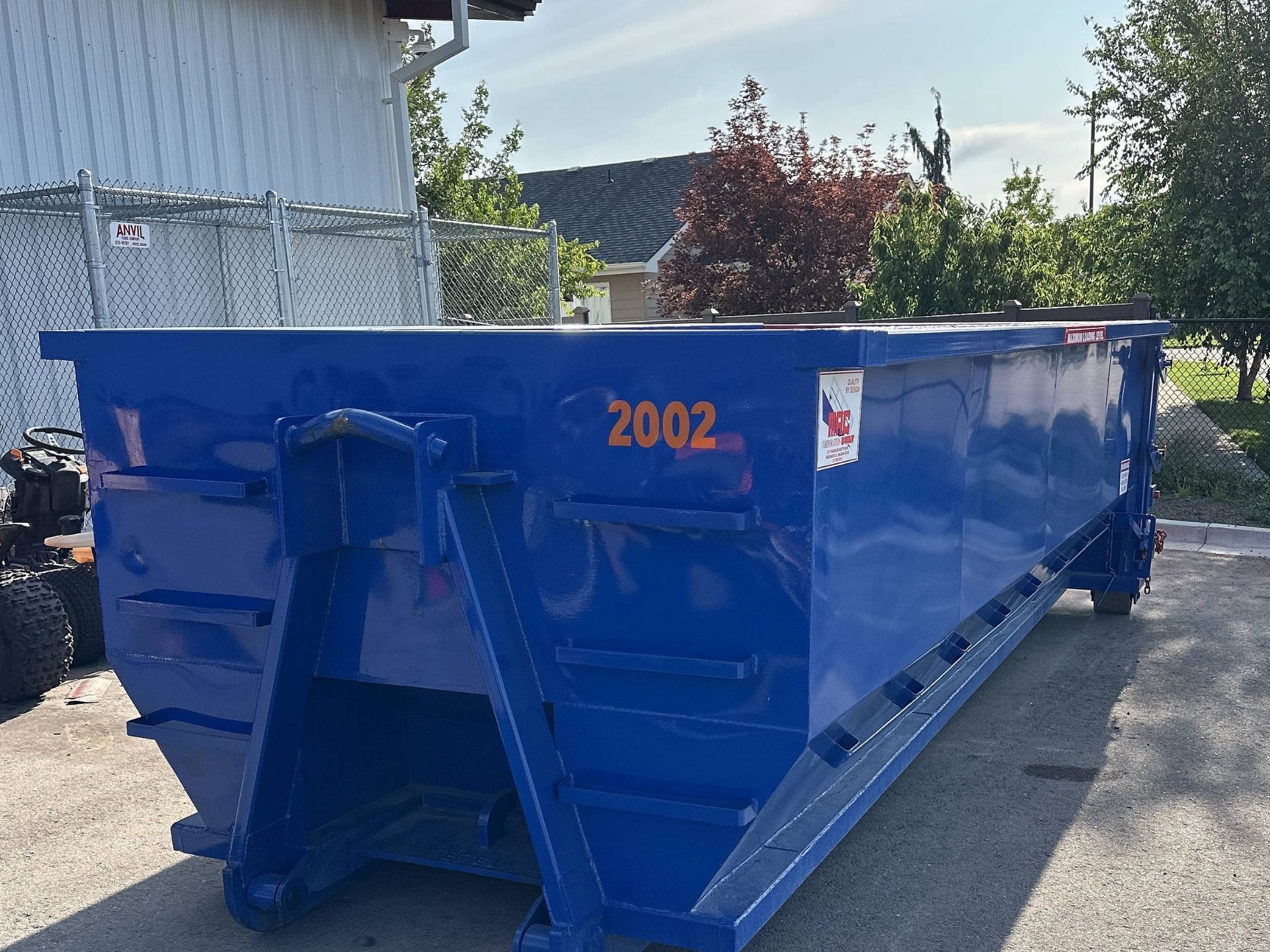
A 12-yard container doesn’t sound large, but for heavy debris it’s the correct size. Filling a larger dumpster with concrete can quickly exceed hauling limits.
Most concrete contractors in Boise and Meridian use multiple smaller containers rather than trying to load everything into one oversized box.
Why Bigger Isn’t Better with Concrete
A
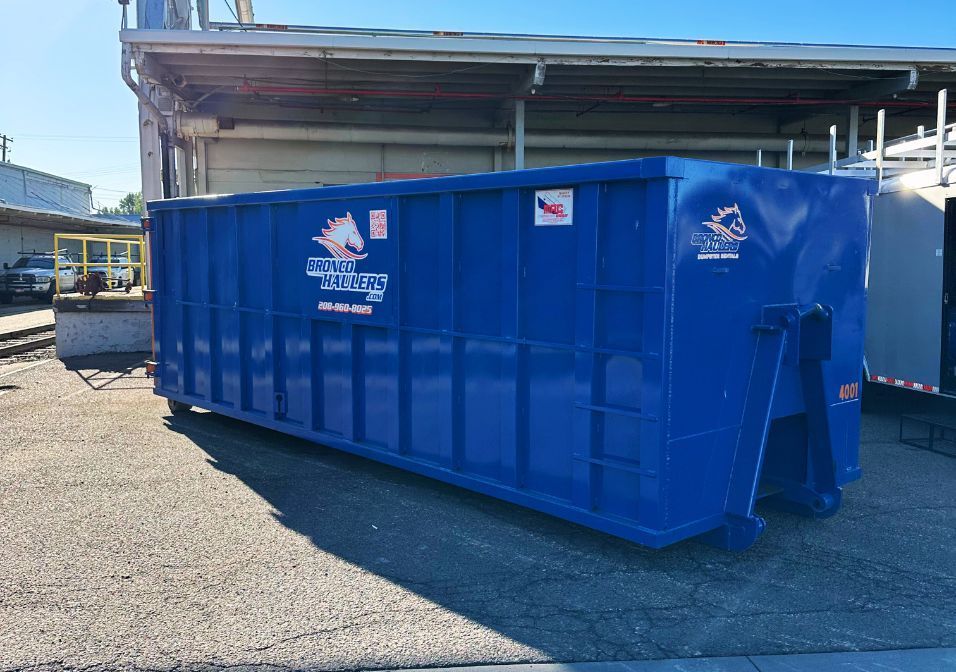
30- or
40-yard dumpster is ideal for demolition debris, but not for dense material like concrete or soil.
Overloading a large container with heavy debris can lead to:
- Hauling restrictions
- Additional charges
- Rejected pickups
- Safety issues on transport
For heavy jobs, it’s better to plan for multiple swaps of a weight-rated container than risk delays from an overloaded one.
When you’re scheduling a concrete or dirt dumpster, consider:
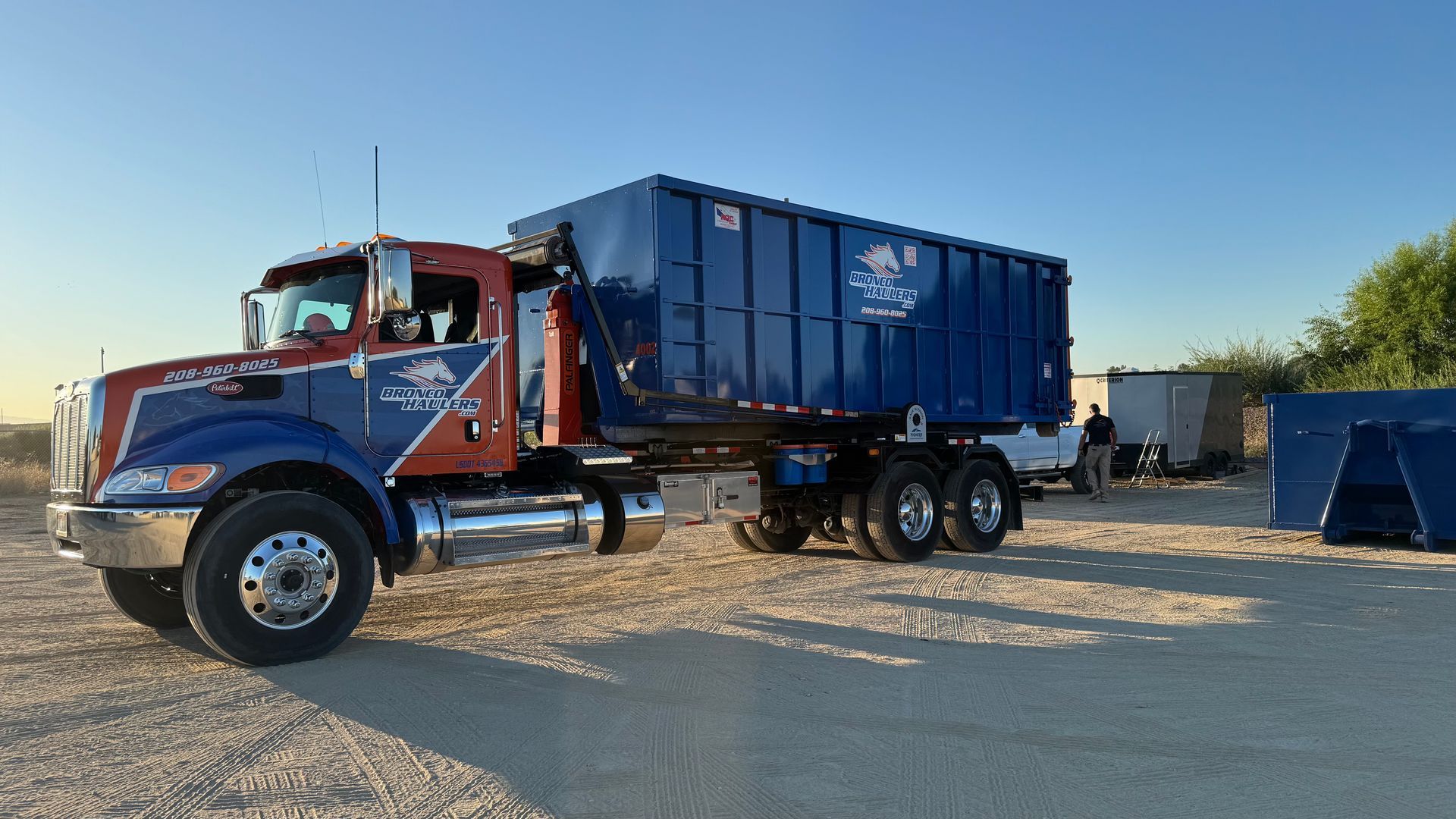
- Access for drop-off and pickup
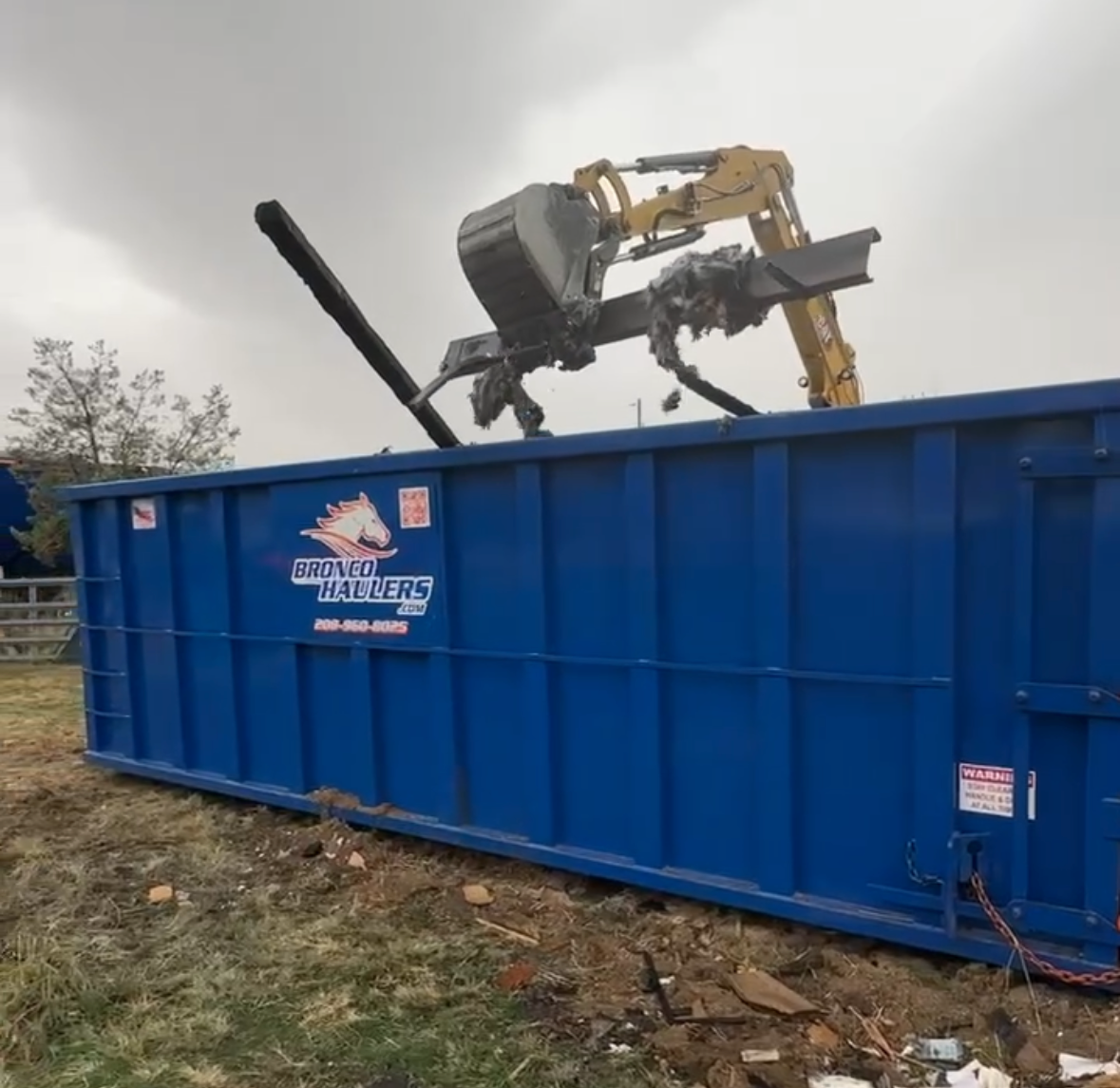
- Equipment loading (skid steer vs. hand load)
- Surface protection
- Space for swaps if needed
- HOA or city placement rules
Most residential concrete projects allow driveway placement without permits. Street placement rules vary by municipality, so it’s best to confirm before scheduling.
Contractors working tight subdivisions in Meridian or older Boise neighborhoods should measure access points in advance. Smaller containers are easier to position and remove without blocking traffic or driveways.
Loading Tips That Prevent Overweight Charges
Heavy material jobs go smoother when the load is staged correctly.
Best practices:
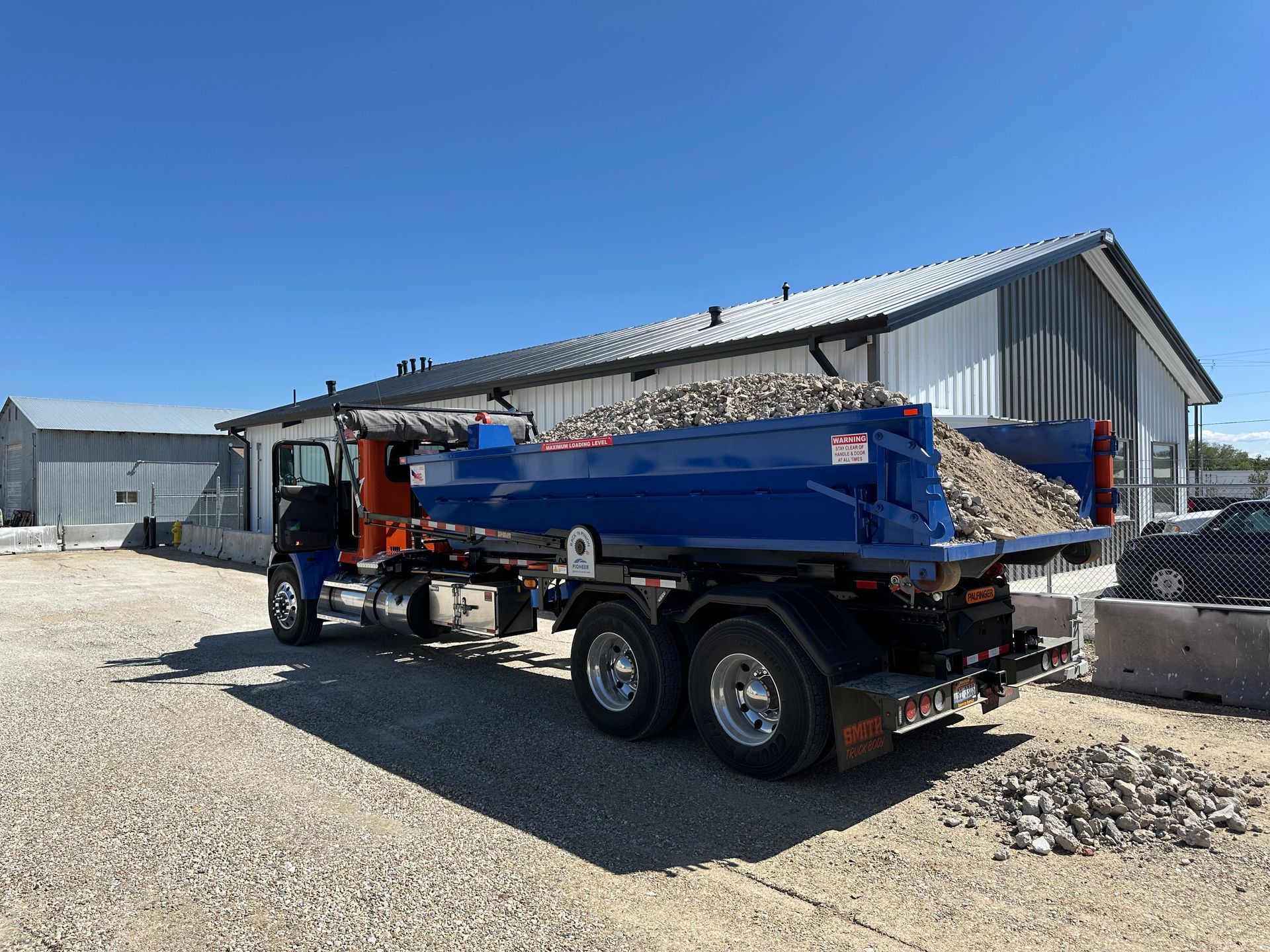
- Keep loads level with the top of the container
- Don’t stack concrete above the rim
- Avoid mixing trash into heavy loads
- Separate dirt and concrete when possible
- Load evenly to prevent shifting
Moisture also matters. Wet soil and saturated debris can significantly increase total weight. If you’re digging in winter or after heavy rain, plan accordingly.
When to Use Separate Containers
Many Boise-area jobs involve more than just concrete.
If your project includes:
- Framing demo
- Drywall
- Roofing debris
- Landscaping waste
You’re usually better off running:
- One heavy-material dumpster for concrete/dirt
- One standard dumpster for construction debris
This keeps both loads compliant and prevents overages.
Trying to combine everything into one container is where costs and delays add up.
Typical Projects That Need Heavy-Material Dumpsters
Concrete and dirt containers are common for:
- Driveway replacement
- Foundation removal
- Garage slab demo
- Patio tear-outs
- Retaining wall removal
- Footing excavation
- Utility trenching
Contractors handling these jobs across Boise, Nampa, and Meridian typically schedule containers based on phases of work rather than ordering a single large box.
Scheduling and Swap Timing
Heavy material containers often fill faster than expected. Planning for swaps keeps crews moving.
Before scheduling:
- Estimate total yardage of concrete or dirt
- Determine loading pace
- Plan for pickup timing
- Keep access clear for trucks
If your crew is breaking and loading continuously, it’s better to coordinate swap timing ahead of time rather than waiting until the container is full and work stops.
Why Contractors Separate Heavy Loads
Experienced contractors separate heavy materials because it:
- Keeps disposal costs predictable
- Prevents overweight fees
- Speeds up hauling
- Keeps the jobsite organized
- Makes recycling easier
In the Boise market, recycling clean concrete is common, but only when loads stay uncontaminated.
Choosing the Right Setup for Your Job
Ask these questions before ordering:
- How many yards of concrete or dirt?
- Clean load or mixed debris?
- Equipment loading or hand loading?
- How fast will material accumulate?
- Do you need multiple swaps?
Getting this right at the start prevents downtime once demo begins.
Quick Reference for Boise
Contractors
Driveway or Patio Demo → 12-yard heavy material container
Foundation Removal → Multiple 12-yard containers
Small Excavation Jobs → 12-yard for dirt
Concrete + Remodel Debris → Separate containers
If you’re unsure, it’s better to walk through the project details before scheduling so the right container is on site when work begins.
Working with Local Crews
Concrete and excavation work moves quickly once demo starts. Reliable drop-off, clear weight guidelines, and predictable pickups keep your schedule intact.
Contractors across Boise, Meridian, and Nampa rely on containers sized correctly for heavy loads so they can keep equipment running and avoid delays.
If you’ve got a concrete or dirt job coming up, call with the scope and timeline and we’ll help you plan the right container setup from the start: (208) 960-8025